


Road Trips Search
Categories
Searching Blogs......
Ultimate Southern California
Experience Everything from LA to San Diego
Yes, "something for everyone" might be a cliché, but this trip really is that kind of all-in-one trip. Visit iconic family destinations such as Disneyland Resort, SeaWorld San Diego, LEGOLAND California, the San Diego Zoo, and Los Angeles attractions including Universal Studios Hollywood. Get grownup fun in the big-city lights of L.A., Hollywood, and Palm Springs. Add natural splendor with stops in mountain and desert parks, plus a visit to unforgettable Mammoth Lakes.

Los Angeles
Rooftop Restaurants, A-List Celebrities
Your trip begins in California’s largest city. L.A. has nonstop action and things to do, but it can be a challenge to navigate, so planning your trip
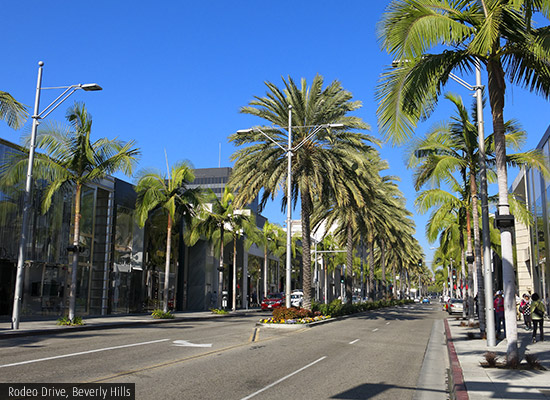
in advance is a big plus. Start in the coastal city of Santa Monica, with a wide, uncrowded beach, a signature pier topped by carnival rides and restaurants, and outstanding shopping at Third Street Promenade and fancy Santa Monica Place shopping center (great for rooftop dining with ocean and city views). Follow the Santa Monica Boulevard northeast to visit legendary Beverly Hills, where cars with tinted windows pull up to Chanel and other deluxe boutiques along Rodeo Drive. Continue east to Hollywood to stroll the Hollywood Walk of Fame and visit TCL Chinese Theatre.
Drive east to visit hip and historic downtown Los Angeles (or simply DTLA). An influx of new residents has helped energize the area, and downtown’s re-emergence has also been spurred by such attractions as Grand Park, an urban oasis with views stretching from the Music Center (including Walt Disney Concert Hall) to City Hall.
From Los Angeles, head southeast to visit a magic place that is one of California’s most popular destinations: Disneyland.
Disneyland Resort
Just saying the name sets a child’s face glowing
The undisputed granddaddy of theme parks, a dazzling compound surrounded by the Orange County city of Anaheim, has been leading the way since 1955, inviting visitors to spend the day in the ultimate land of make-believe. This beloved destination serves up vintage icons like the Matterhorn Bobsleds as well as new innovations, like laser lights and soaring fountains in the nightly show World of Color, or mystical mouse antics in Mickey and the Magical Map. The resort, which consists of the original Disneyland Park and the adjacent Disney California Adventure Park, has themed “lands” with related rides, shows, and attractions.
From Disneyland, follow the coast south to another great family destination, SeaWorld San Diego.
Seaworld San Diego
Climb aboard wild rides and learn about ocean environments
See the beauty and magic of the world’s ocean animals and learn about the importance of protecting marine environments at this packed-full theme park on Mission Bay Park, 10 minutes north of downtown San Diego. There’s always something going on at the nearly 200-acre SeaWorld compound, including interactive exhibits, zooming rides, live animal interactions and shows, and other special events. In among the hands-on fun, SeaWorld hopes to inspire visitors to better understand the planet’s watery worlds. To shed light on these environments, the theme park presents different ocean zones, each one featuring recreated habitats populated by some of the creatures found there.
Anza-Borrego Desert State Park
Wild, Remote & Unforgettably Beautiful
This park’s combo name, pairing the name of famed Spanish explorer Juan Bautista de Anza, who crossed this desert in 1774, and the Spanish word for sheep (“borrego”)—referring to the region’s native bighorn sheep, this desert preserve—California’s largest state park—protects more than 600,000 acres/242,811 hectares of badlands, palm oases, slot canyons, and cactus-studded hills. A geology lesson in making, still being altered by erosion and flash floods, it’s a wild and remote place, with much of it accessed via primitive roads, or on foot. (Consider renting a 4WD with high clearance for best access.) But the payoff is stunning stillness and unforgettable beauty.
Start your trip just northwest of Borrego Springs at the park’s visitor center, built underground for cooling efficiency, to learn more about this fascinating park, and to get tips on where to go. Anza-Borrego’s most famous hike leads to Borrego Palm Canyon, a watery haven fed by underground springs and shaded by California fan palms, the only palm that is native to California. It’s not a major hike round trip (3 miles/4.8 km total), but it feels like a trek from the desert to the tropics. Head off into a sandy wash twisting through a rocky canyon dotted with barrel cacti and ocotillo (look for hummingbirds flitting to the plant’s crimson flowers).
A little further along, you come upon lush willows and the sound of little waterfalls, until finally, rocks give way to deep pools of shade cast by the soaring, shaggy palms (their untrimmed fronds make them look a bit like Wookiee out of Star Wars). A series of severe rainstorms and flash floods in the last decade wiped out many of the oldest palms in this grove, but Palm Canyon is still the largest of the palm groves in Anza-Borrego.
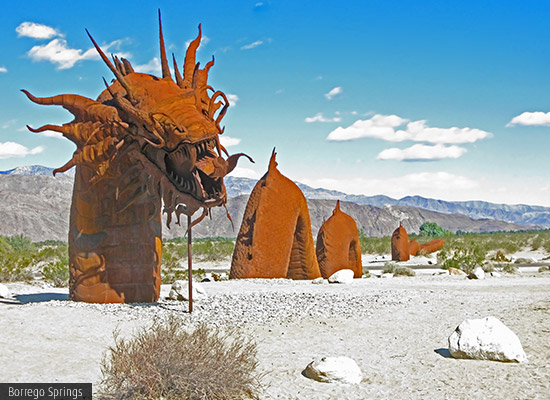
When you leave Anza-Borrego, keep your eyes peeled for the remarkable metal sculptures of prehistoric beasts dotting the desert near the town of Borrego Springs; they’re the work of artist Ricardo Breceda. Now your route takes you east then north to the cities and lush resort communities collectively referred to as Palm Springs.
Palm Springs
Hipster cool in the desert
Fed by underground springs, the desert comes alive here, not only with signature palms, but also with a string of resort communities—Palm Desert, Rancho Mirage, Indian Wells, and others, as well as the namesake town of Palm Springs—sporting a cool, mid-century modern vibe and countless ways to relax. Give yourself plenty of time to stroll along this swanky strip in Palm Desert. First, you’ll want to see all the art. This roughly 1-mile/2-km strip and adjacent streets house one of the largest concentrations of art galleries anywhere in Southern California. As inviting as mini-museums, these galleries let you get close to art, chat with knowledgeable gallery owners and staff, and even meet the artists on during special openings and events. Then you’ll want to get something to eat—perhaps a juicy steak accompanied by jazz (Sullivan's Steakhouse), or oysters on the half-shell (Pacifica Seafood Restaurant), or wood-fired pizza at Sammy’s. And of course—there’s the shopping.
Pack up your bags and get ready to explore another unforgettable desert parkland just east of Palm Springs, and named after the weirdly contorted yucca plants that dot its dramatic landscape.
Joshua Tree National Park
Rugged Mountains, Vibrant Sunsets & Uncountable Stars
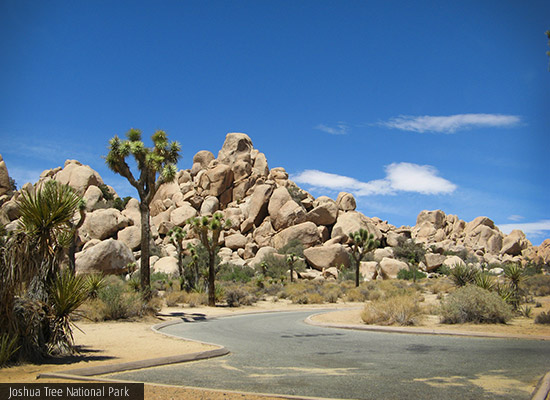
Boulders and buttresses, rugged mountains, gold mining ruins, desert plains dotted with the oddball trees—this is one weird place. Joshua Tree, nicknamed “J-Tree” by locals, lies at an ecological crossroads, where the high Mojave Desert meets the low Colorado Desert. The result is amazing desert flora, including those wacky namesake trees (actually a type of yucca). Joshua Tree’s beauty shines around the clock, with vibrant sunsets melting into nights filled with uncountable stars.
Pick a clear morning to visit Keys View for a sweeping panorama that takes in two of Southern California’s biggest summits: Mount San Jacinto (elevation 10,834 feet/3,302 meters) and Mount Gorgonio (elevation 11,502 feet/3,506 meters). Palm Springs and the Coachella Valley frame the background, and the vast Salton Sea shimmers to the southeast.
Continue north to one of the world’s most unforgettable destinations. While its name might sound ominous, Death Valley is actually filled with spectacular sites, including colorful canyons, soaring sand dunes, and even a castle.
Death Valley National Park
Mountain-Size Sand Dunes, Mysterious Singing Rocks
The largest national park outside of Alaska, Death Valley is an almost unfathomable place. The park’s 3.3 million acres /1.34 million hectares encompass mountain-size sand dunes, below-sea-level salt flats, and colorful sandstone canyons, and a remarkable structure, Scotty’s Castle, left by an eccentric explorer.
Every imaginable shade of gold—from orange to apricot to school-bus yellow--is visible in the wrinkled Golden Canyon cliffs, whose folded and eroded layers glow at sunrise and sunset. Pick your favorite perspective: Drive to Zabriskie Point and survey the scene from on high, or see the vibrant beauty up close by hiking in Golden Canyon. For casual sightseers, Zabriskie Point (off Highway 190) offers a stunning view of the multi-hued badlands from a short paved trail.
Mammoth Lakes
Snowy winters, wildflower summers
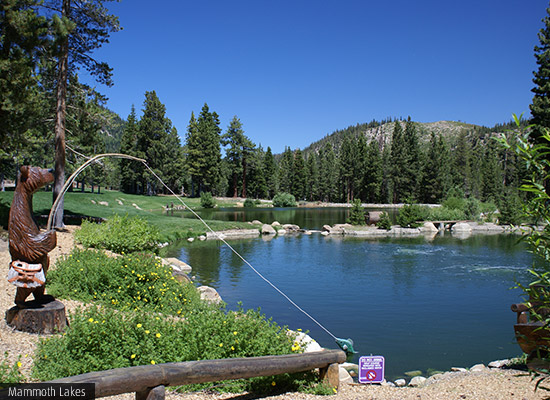
Surrounded by some of the highest peaks in the west, folks in this laid-back mountain town know they’ve got a good thing going. It’s a land of serious outdoor lovers, who take to the slopes of signature Mammoth Mountain (actually a massive volcano surrounded by granite peaks) and nearby June Lakes resorts in winter, then head out on trails when the snow melts to fly-fish in clear mountain streams, hike and mountain bike through wildflowers in high alpine meadows, and dip into natural hot springs. Join the locals for craft beer and listen to bluegrass music during summer’s Bluesapalooza festival (typically held in late July). For a high-mountain town, Mammoth Lakes is surprisingly easy to get to too, especially during the ski season, when daily flights zoom in from San Francisco area airports as well as Los Angeles. In winter, Mother Nature is good to Mammoth Lakes. The mountain town’s signature peak, Mammoth Mountain, gets, on average, more than 30 feet/9 meters of snow, and lifts and gondolas continue to zoom up the mountain longer than any resort in the state.
Yosemite National Park
Unforgettable Beauty, Plunging Waterfalls
Coming from the east, Yosemite unfolds with high-country beauty, a land of granite crags and alpine meadows, the best known being Tuolumne Meadows, with well marked trails endless scenery. From its tranquil edges, hiking trails lead in all directions—to the alpine lakes set below the spires of Cathedral and Unicorn Peaks, to a series of roaring waterfalls on the Tuolumne River. The meadow’s small visitor center, housed in a historic cabin, features exhibits that focus on the area's geology, wildflowers, and wildlife. Continuing west you reach the park’s signature site, Yosemite Valley, where shuttle buses can take you to all the key sites. California’s first national park and designated as a UNESCO World Heritage site in 1984, Yosemite attracts 4 million visitors each year—with good reason. Nearly the size of Rhode Island and covering more than 1,100 square miles/284,899 hectares, it features unforgettable natural beauty. Among Yosemite’s many bragging rights, its waterfalls rank high. In the list of the world’s 20 tallest waterfalls, Yosemite Valley scores three spots for Yosemite Falls, Sentinel Fall, and Ribbon Fall. Yosemite Falls holds the undisputed title of the tallest waterfall in North America.
From Yosemite, continue south on the west side of the Sierra, following roads that dip down to the fertile Central Valley, to your last stop at a twin park that protects the world’s largest living things and a wild and rugged alpine canyon.
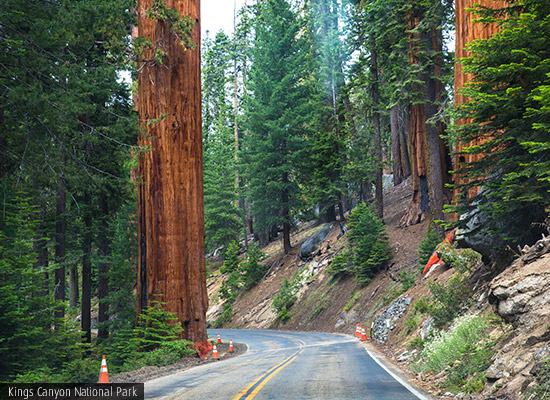
Sequoia & Kings Canyon National Park
Deep Canyons, Roaring Rivers
Famous for their giant sequoias, soaring mountains, deep canyons, and roaring rivers, this tandem set of parks have plenty to see, even though they are less well known than Yosemite, roughly 75 miles/120 kilometers north. Within the borders of Sequoia & Kings Canyon are Mount Whitney, the highest point in the contiguous United States at 14,494 feet/4,417 meters, and the Kings River Canyon, one of the deepest canyons in North America. Still, the parks—as well as adjacent Giant Sequoia National Monument and national forest lands—are most revered for their super-size sequoias. Thanks to the General Sherman Tree, the world’s largest living thing, and its gargantuan neighbors, gawking at the big trees is the most popular activity here. The General Sherman Tree measures 103/31-meters around, and soars 275 feet/84 meters into the blue Sierra sky—and it’s still growing. Every year it adds enough wood to make another 60-foot/18-meter-tall tree. Still can’t grasp the size? One branch of the General Sherman is so big—almost 7 feet/2 meters in diameter—that it’s larger than most trees east of the Mississippi River.
To return to Los Angeles, head south for roughly 3½ hours due south. San Francisco is roughly 4 hours northwest.
This road trip was provided by Visit California.
If you would like to book car hire or motorhome rental in USA, simply use our online booking engine above or contact our friendly reservations staff.
Road Trips Search
Categories
- Home
- Road Trips
- Ultimate Southern California